Becoming in Dubai : Yallah !
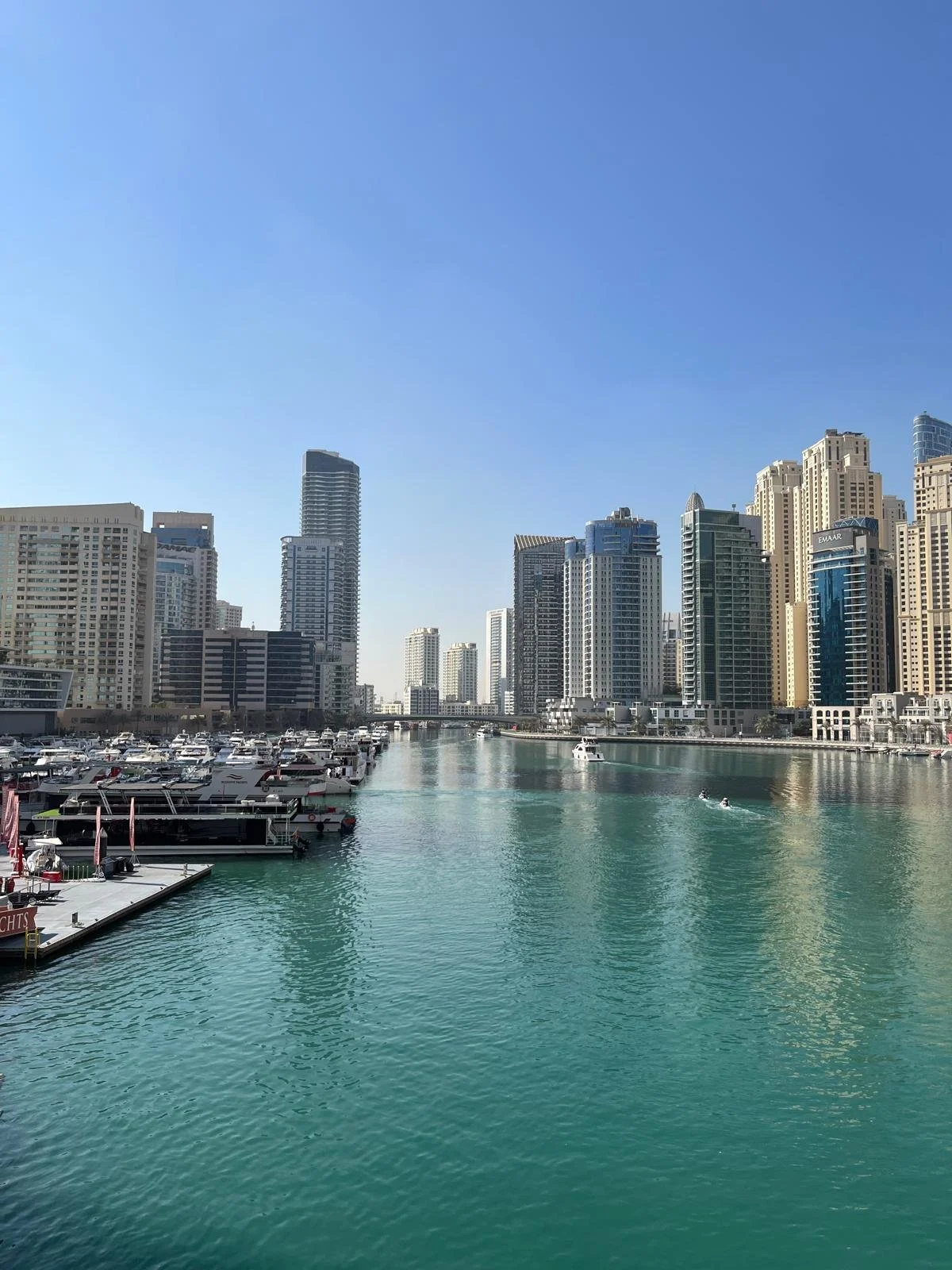
The first time I came to Dubai, in December 2023, I was mesmerized.
Two years later, in December 2025, after spending a full week there, I came back conflicted.
In Paris, Dubai often carries a shortcut reputation: shallow, artificial, uncultured—a city of malls with little soul. Part of that is true. But it’s also incomplete. Dubai is, above all, a deeply cosmopolitan city. Nearly 88% of its population is made up of expats. And maybe that’s why, during my first visit, I felt an unexpected familiarity.
Coming from Jakarta, the city spoke a language I already knew: skyscrapers rising fast, perfectly structured malls, the speed at which everything operates. The efficiency. The immediacy. At the time, it felt exhilarating. Only later did I understand why: Dubai was built to accommodate expats. It absorbs fragments of their hometowns, recreates them, polishes them. There is always something recognizable—comforting, even. But also slightly unsettling.
Two years on, the evolution is impossible to miss. Dubai builds first, then grows later.
New malls. New crowds. New price points. And if you thought Dubai was expensive before—double it now.
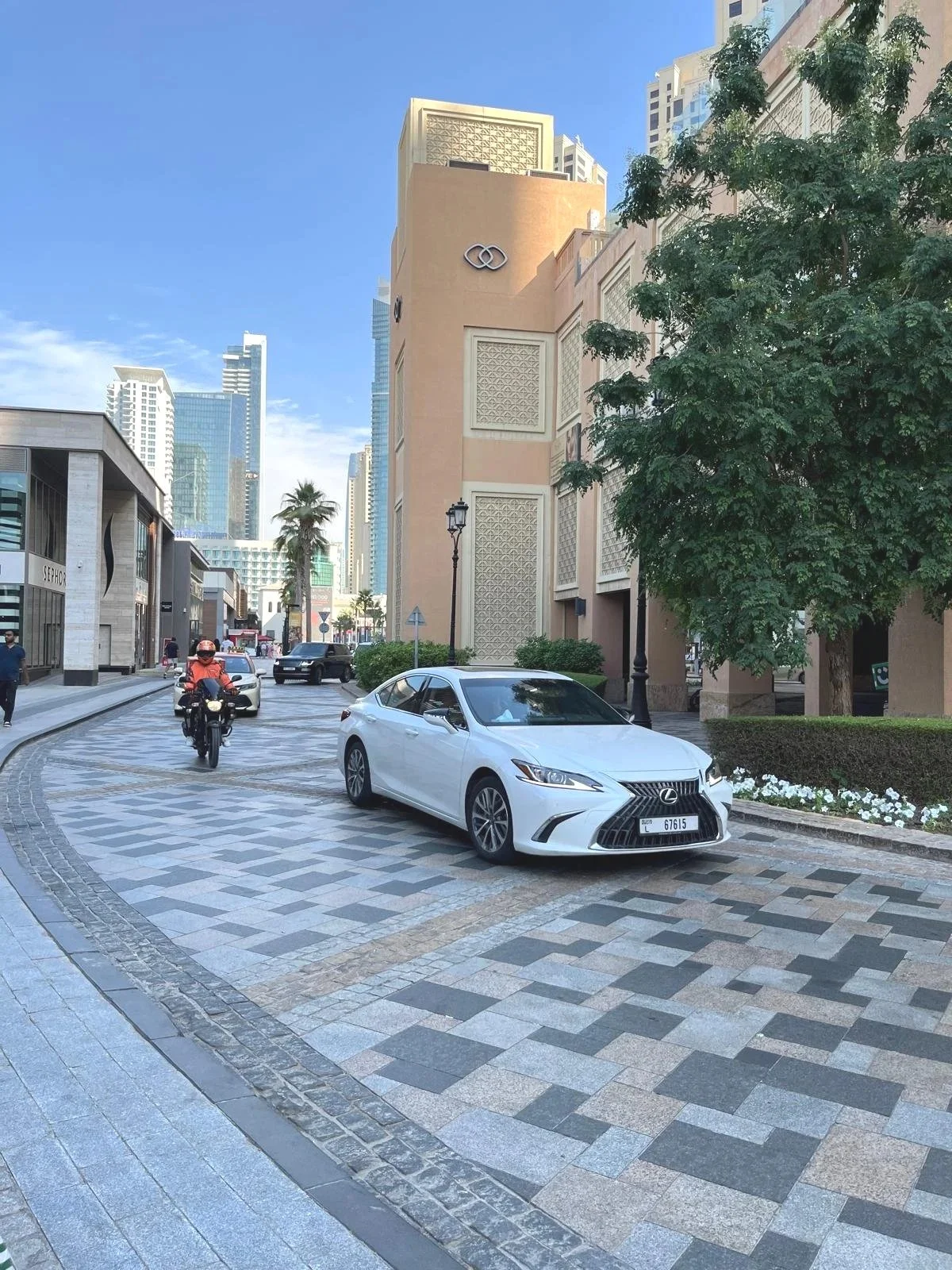
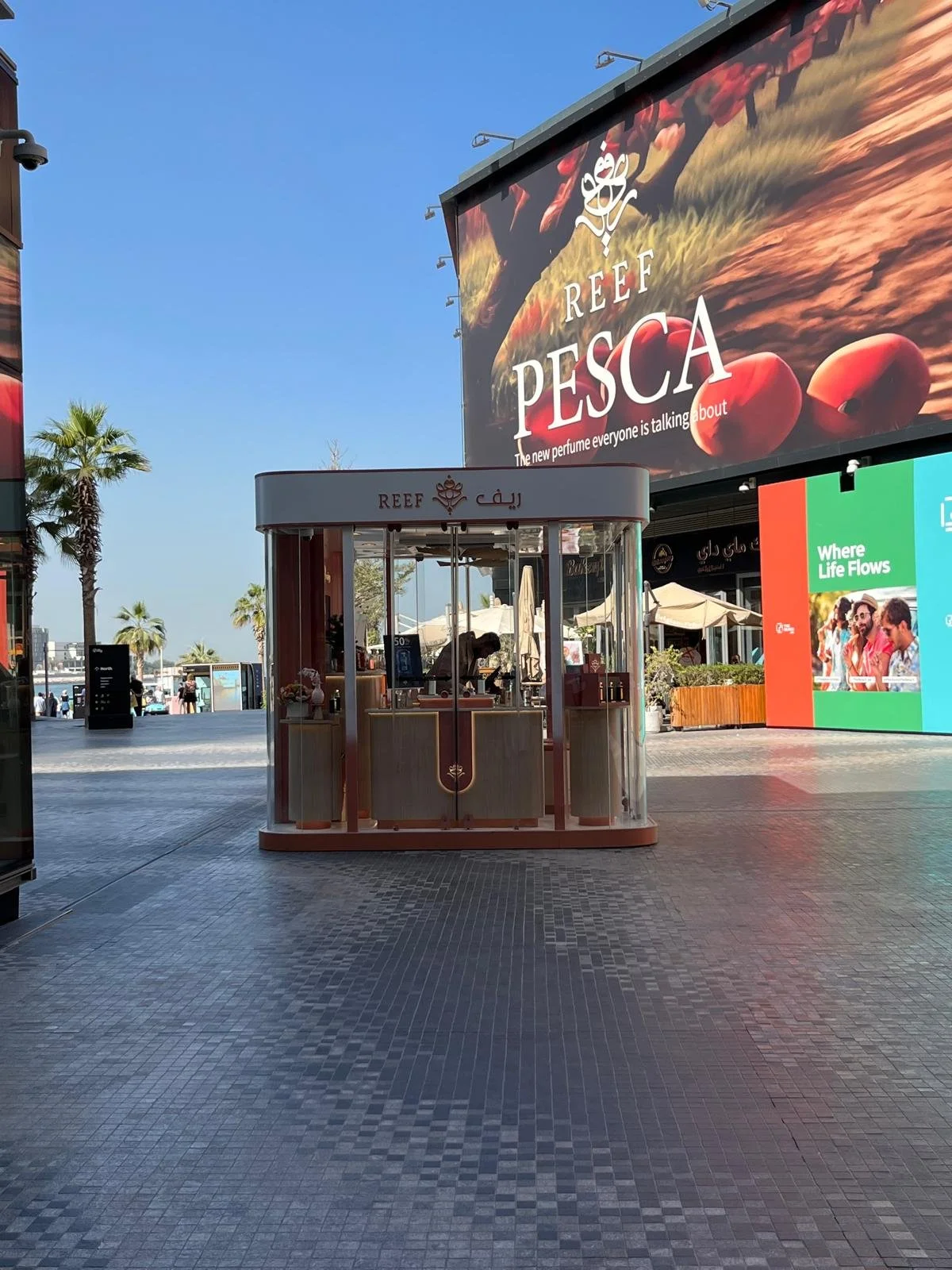
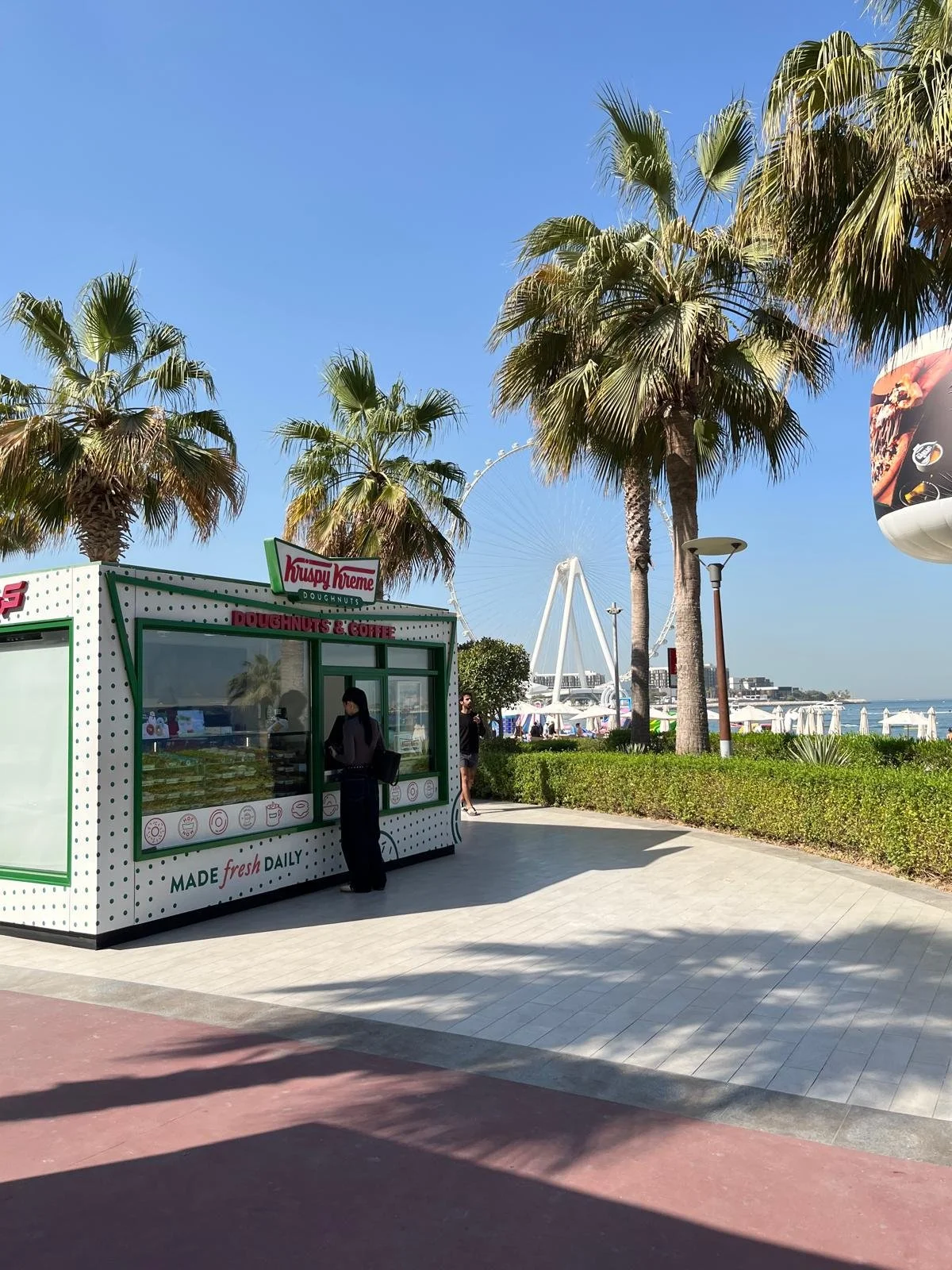
During this stay, an expat told me something that stayed with me. Very calmly, almost kindly, he said:
“You don’t come to Dubai for culture. You come to experience luxury.” He wasn’t being cynical. He was stating a fact.
Dubai doesn’t pretend to be Rome or Paris. It doesn’t ask you to wander, to get lost, to sit for hours in a café watching life unfold. It offers something else entirely: comfort, safety, efficiency, spectacle. Life here is curated. Optimized. Impressive and always Extra. If you see a dancing drone in Paris over the Eiffel Tower during Bastille Day, you’ll see the same spectacular show in Dubai just every other night.
As a mother of a three-and-a-half-year-old, constantly looking for alignment in my life—between fast and slow, modernity and tradition—I realized that Dubai perhaps does not fit where I am. I do think it’s an extraordinary place if you are a fresh graduate looking for expatriation. With no taxes and salaries that can be two or three times higher than in Paris, you can spend freely or build a serious safety net. You can live the luxury Dubai is known for, or choose a simpler life, knowing it’s temporary.
I also believe Dubai can be a wonderful place to live for a couple of years with a young child. Your child will grow up surrounded by nationalities from all over the world. And you, as a parent, will feel safe—constantly, undeniably safe ( you literally can leave your phone unattended in a beach and it will stay there until you come back )
But there is a price to pay, and it shows up in the smallest details.
There is no more going downstairs for a quick grocery run because your child suddenly wants biscuits—it becomes an online delivery arriving at your door. There is no passing by a park or a boulangerie on the way home from school—there are cars, schedules, extracurriculars. It’s not an outdoor park, it’s a themed one. Not a small theater or a casual museum visit, but something big, polished, spectacular.
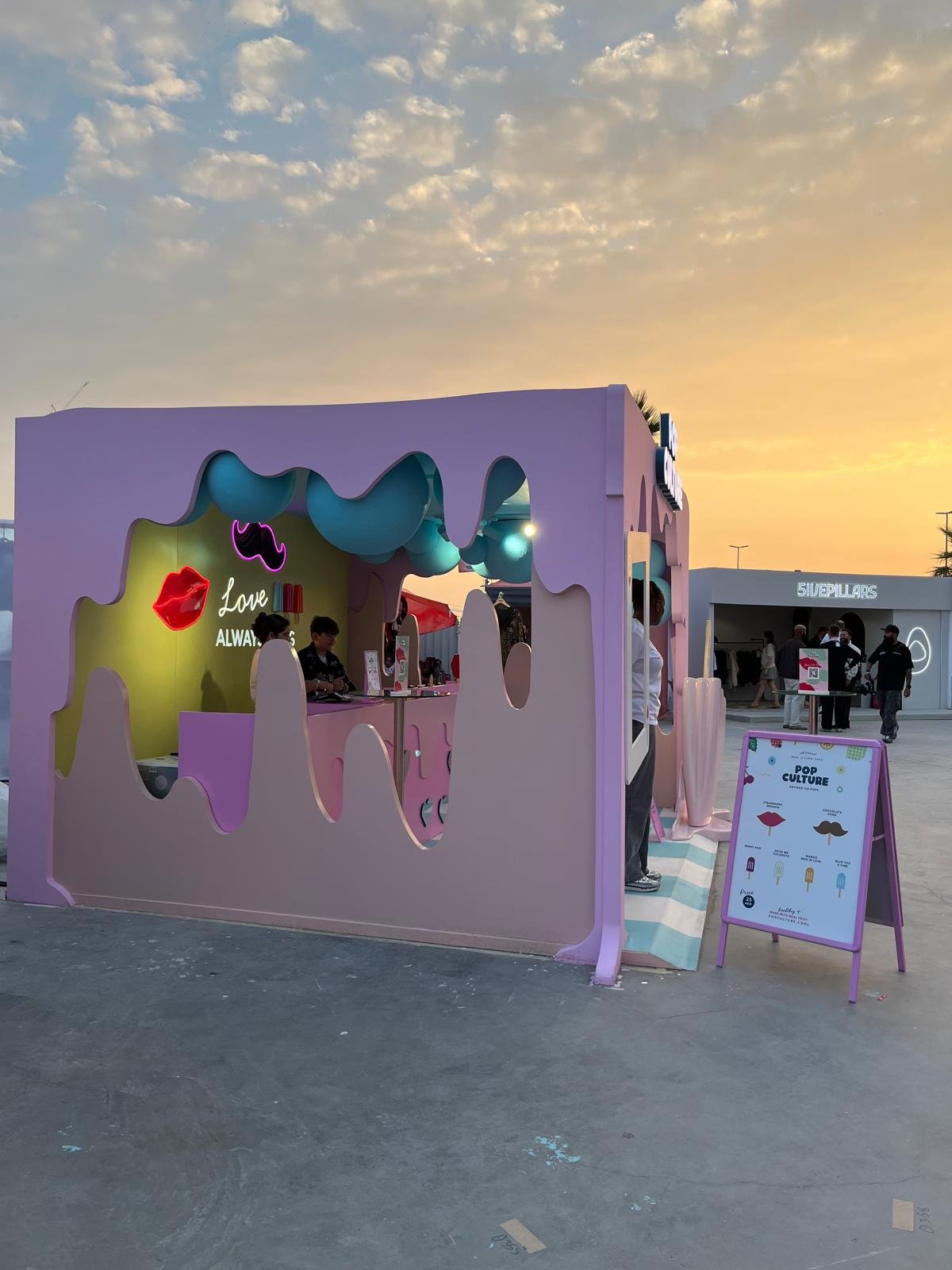
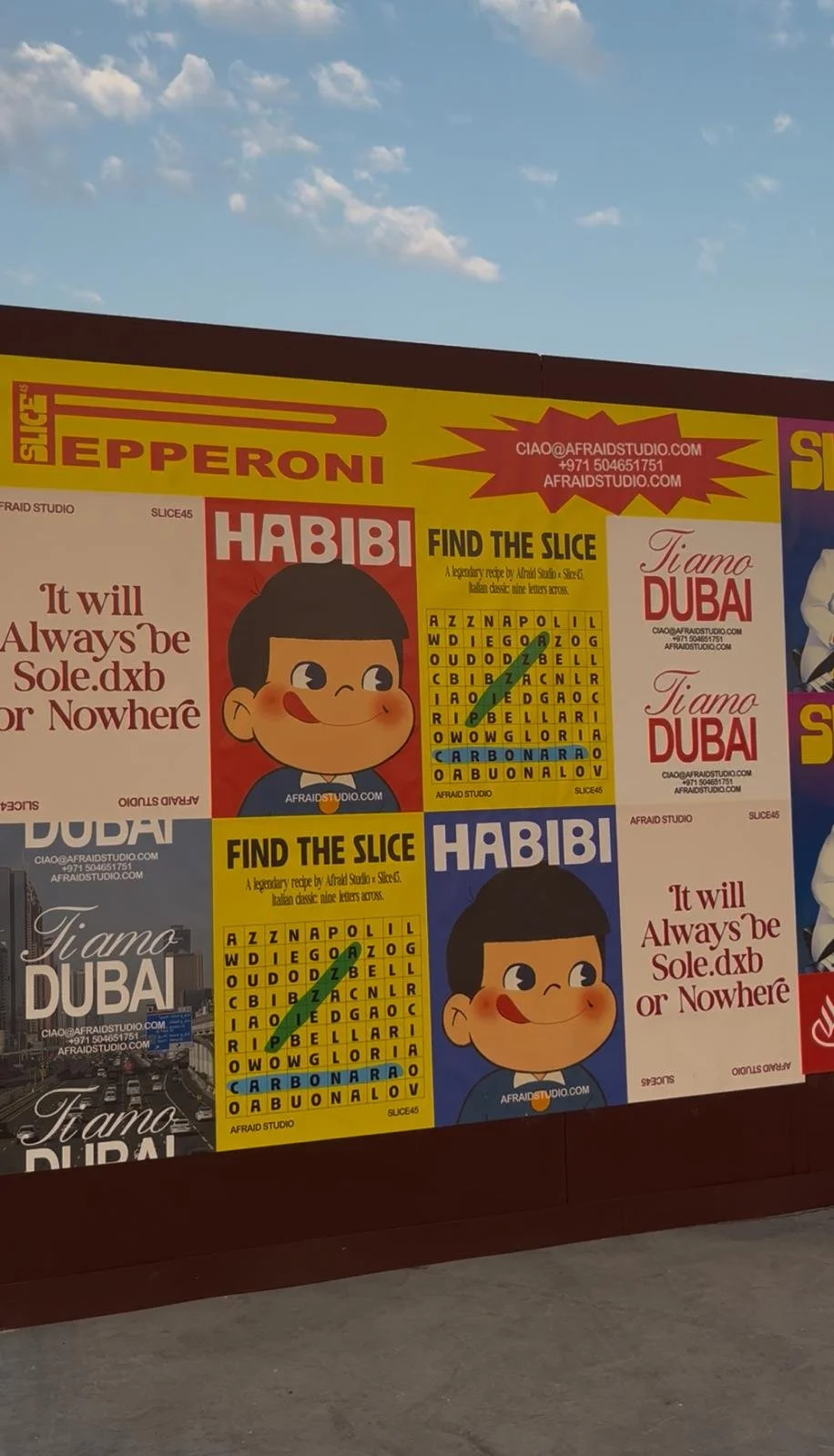
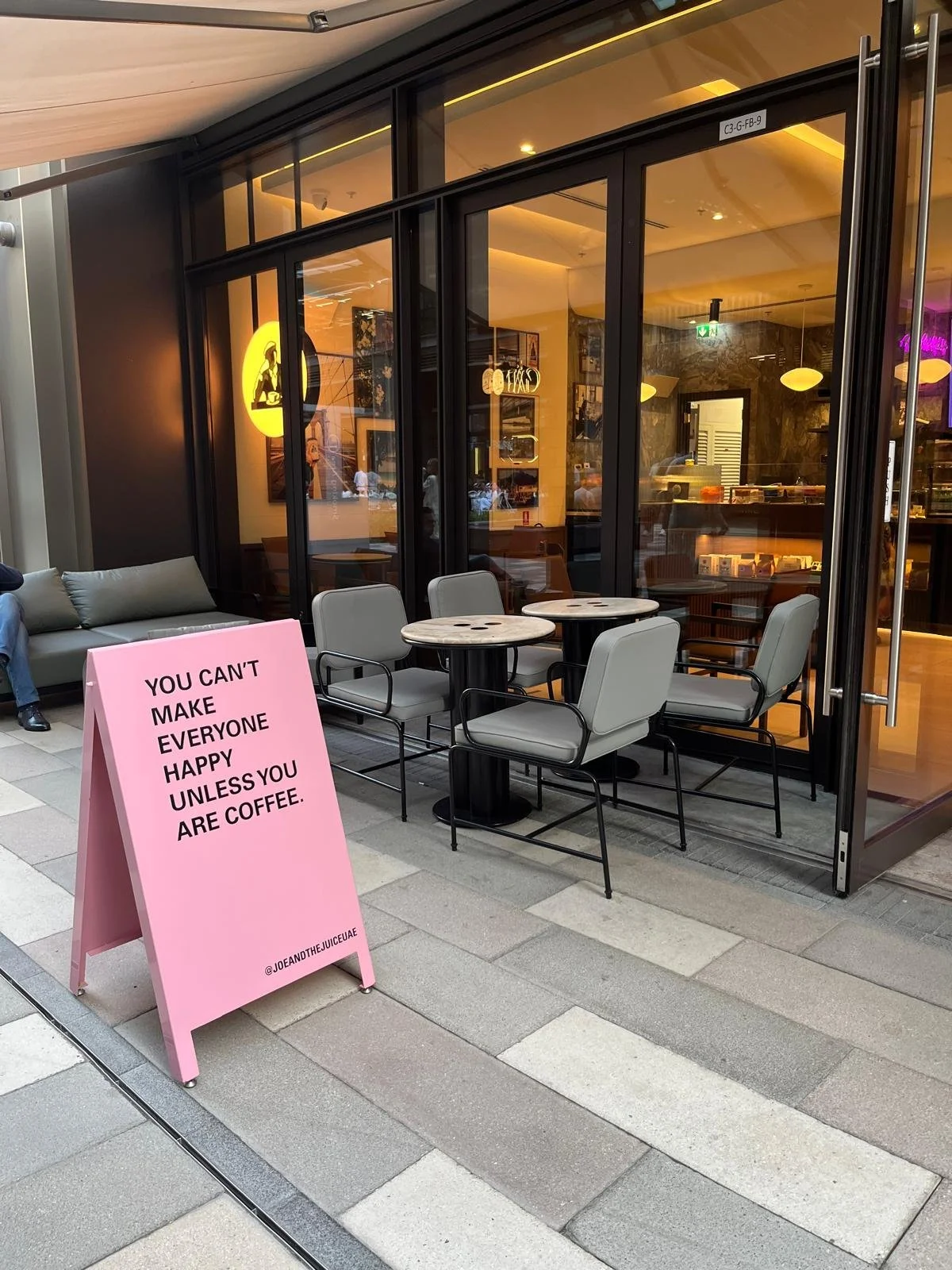
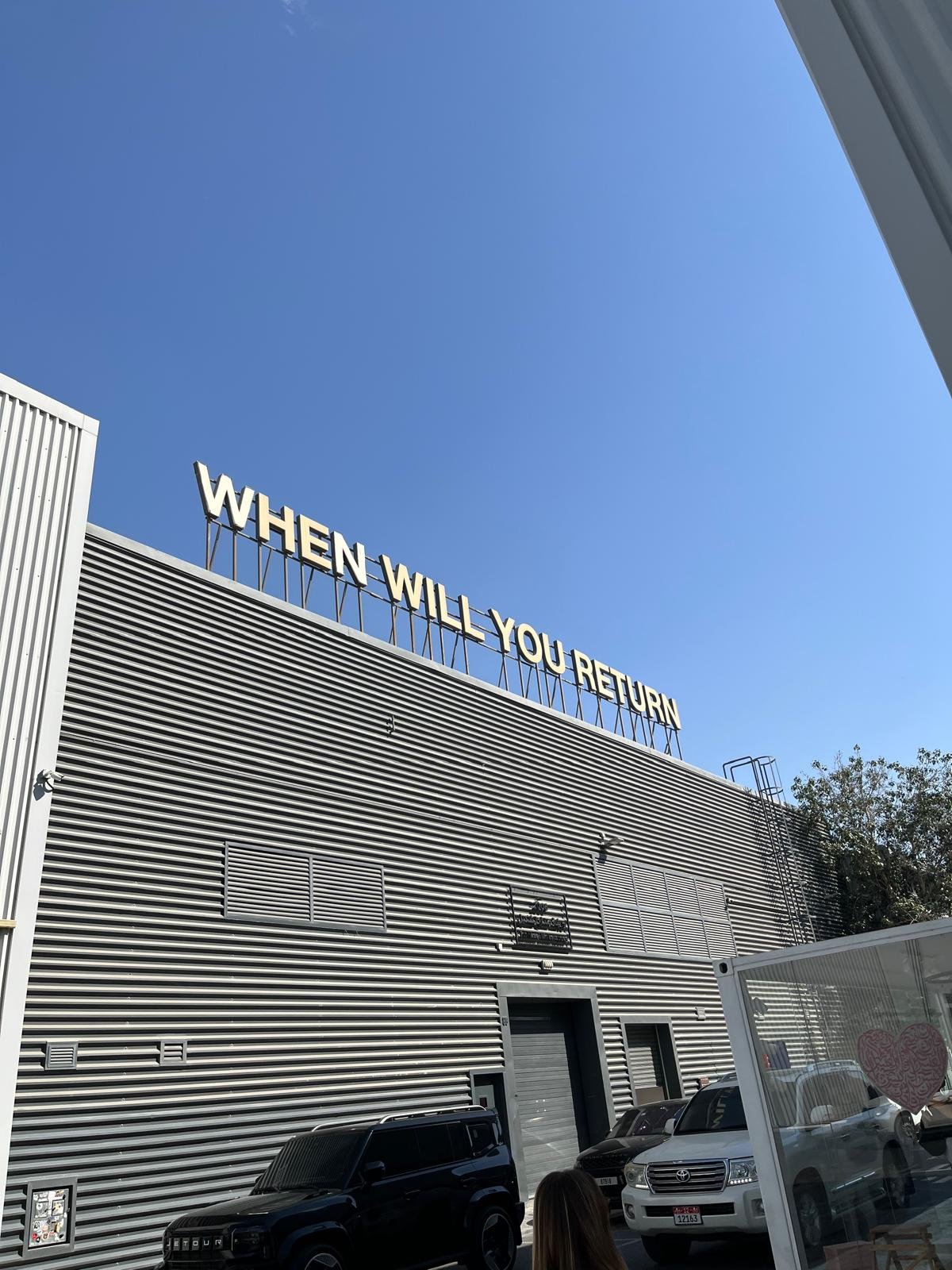
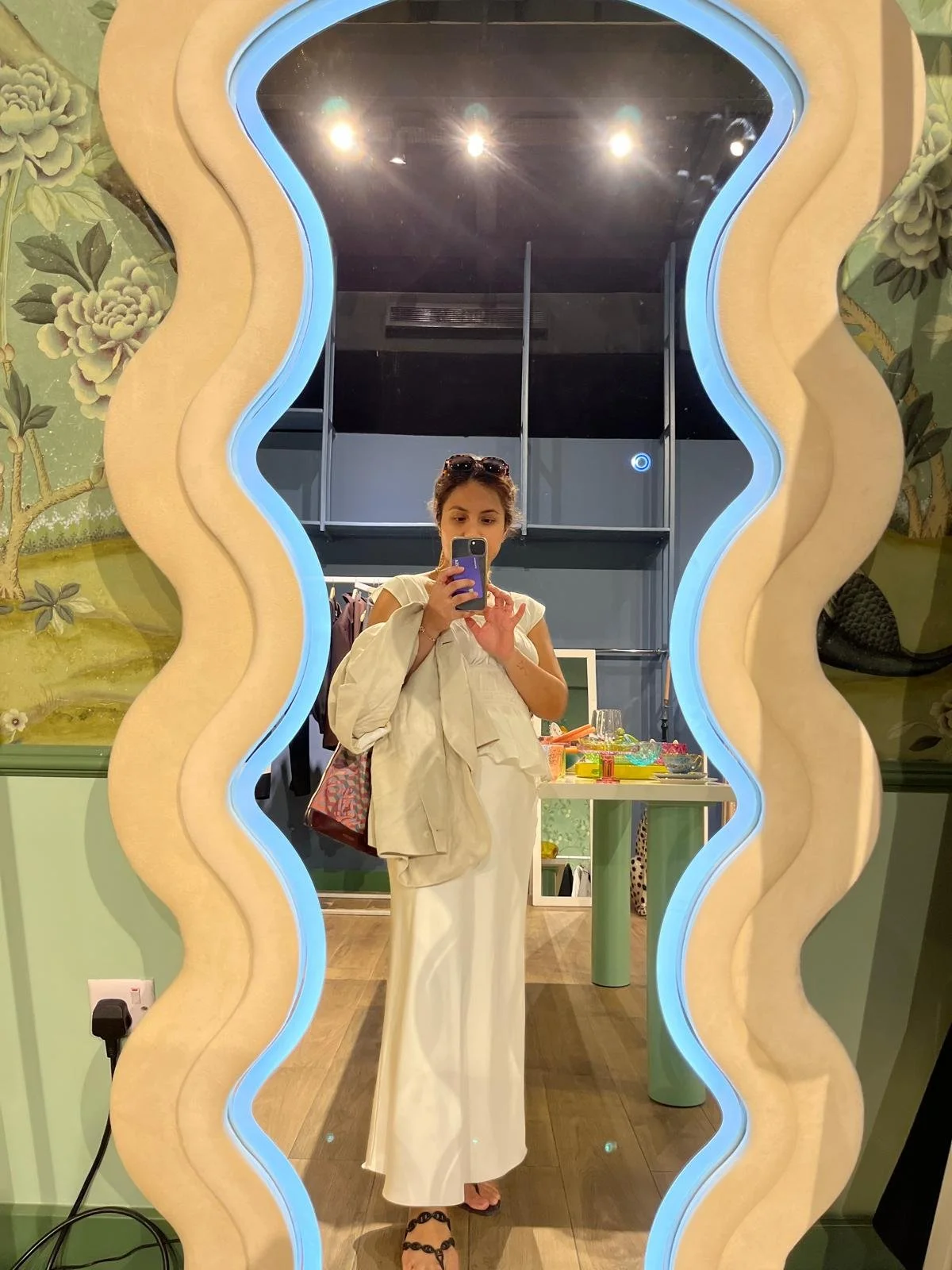
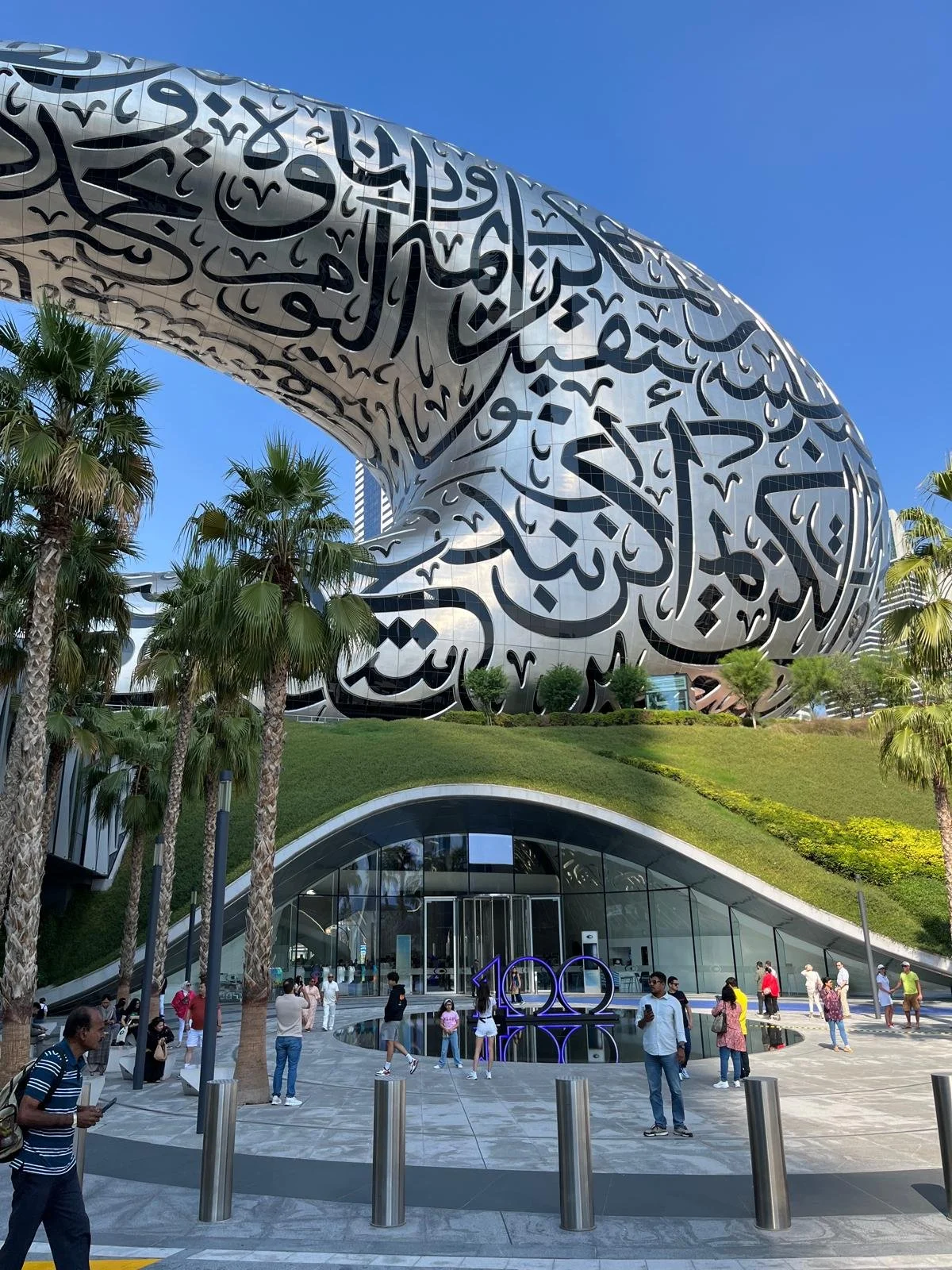
After just one week, I realized what I missed the most: spontaneity.
A drink after a long day has limited options—usually your hotel bar, unless you’re willing to sit in traffic. A simple walk between appointments, just to breathe? Rare. Life flows smoothly, but it rarely surprises you.
Dubai is a city where everything is possible—except the unplanned.
And while luxury can be experienced, optimized, and admired, spontaneity cannot be scheduled.
Our time in Dubai was intense—days stitched together by malls, meetings, and work. I’ve come here twice for business now, and I understand how this city belongs in my life: not as a place to stay, but as a passage—one that shaped my career, sharpened my pace, and then gently sent me on my way.Some cities teach you how fast you can go. Others remind you why you ever wanted to slow down.
